After Testing Over 20,000 Eyes in 20 Years: 7 Things Most People Get Wrong About Their Vision
After examining more than 20,000 eyes over the past 20 years, certain patterns start to emerge.
Patients often come in believing their vision is fine or that eye tests are simply about updating glasses. In reality, modern eye examinations have evolved dramatically since I first started practising.
Thanks to significant investment in advanced technology, today’s eye examinations allow us to detect eye disease earlier and more accurately than ever before.
Here are seven things many people misunderstand about their vision.
1. “My vision is fine, I don’t need an eye test.”
Vision usually deteriorates very gradually.
Most patients only realise how much their eyesight has changed when they put on their new glasses and suddenly see the world more clearly.
Regular eye examinations are essential because changes can occur slowly without you noticing.
2. Eye Tests Are Not Just About Glasses
Your eyes can reveal much more than your prescription.
During a comprehensive eye examination we can sometimes detect early signs of conditions such as:
- Diabetes
- High blood pressure
- High cholesterol
- Neurological issues
The eye is the only place in the body where we can directly observe blood vessels and nerves non-invasively.
3. Myopia in Children Is Increasing
One of the biggest changes I have seen in practice is the rise in myopia (short-sightedness) in children.
Modern lifestyles mean children spend more time indoors and on digital devices.
Research shows that encouraging children to spend more time outdoors can reduce the risk of developing myopia.
The encouraging news is that we can now slow the progression of myopia by around 50% over an eight-year period.
Treatment options include:
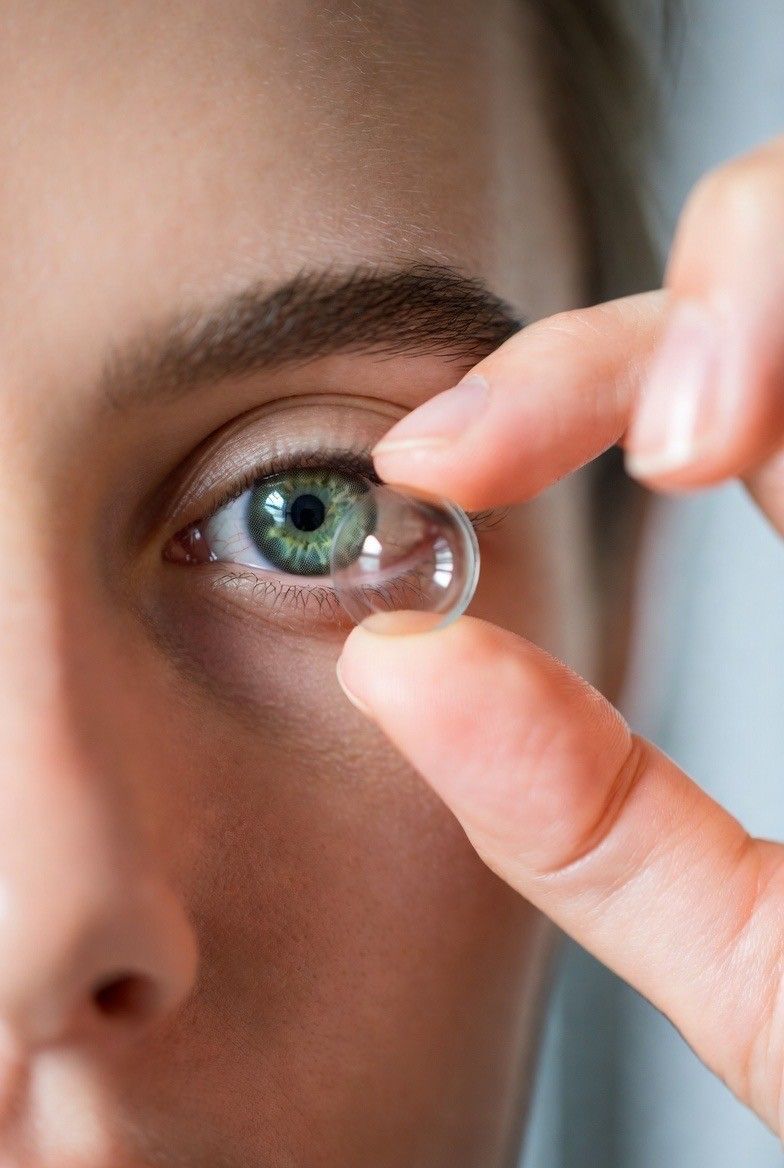
- Orthokeratology (Ortho-K) – specially designed contact lenses worn overnight to gently reshape the cornea
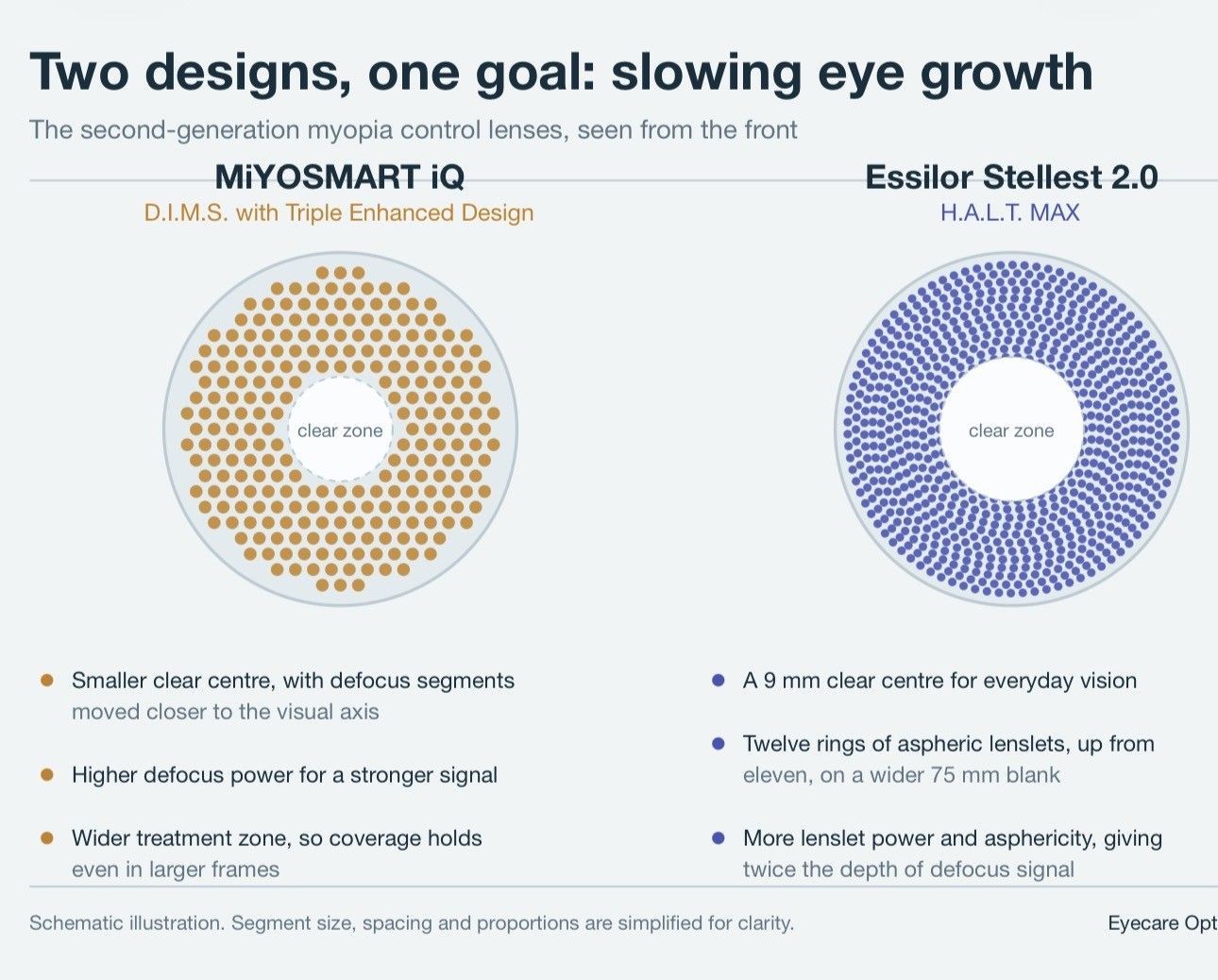
- Specialist myopia control spectacle lenses designed to slow the growth of the eye
Early intervention can significantly reduce the risk of eye disease later in life.
4. Many Serious Eye Conditions Have No Early Symptoms
Many people assume they would notice if something was wrong with their eyes.
Unfortunately, this is not always the case.
Conditions such as glaucoma and macular degeneration often develop silently without symptoms in the early stages.
This is why regular eye examinations are so important.
5. Technology Has Transformed Eye Examinations
When I first started practising, we did not have access to the level of diagnostic technology we use today.
With Optical Coherence Tomography (OCT), we can now examine the layers of the retina in extraordinary detail.
This allows us to detect early signs of conditions such as:
- Glaucoma
- Age-related macular degeneration (ARMD)
- Retinal disease
Often years before symptoms appear.
6. We Can See More of the Retina Than Ever Before
Using Optomap widefield imaging, we can examine a much larger area of the retina compared with traditional methods.
This means we can sometimes detect:
- Retinal holes
- Retinal tears
- Peripheral retinal changes
Many patients have no symptoms at all, but identifying these problems early can prevent serious complications.
7. Early Detection Really Is Better Than Cure
Perhaps the most important lesson from two decades of examining eyes is this:
Early detection saves sight.
Modern eye examinations are no longer simply about vision correction. They are about protecting eye health for the long term.
Regular eye tests allow us to detect problems early and ensure the best possible outcome for our patients.
Final Thoughts
After examining thousands of eyes, one thing is clear:
Looking after your eyes today helps protect your vision for the future.
If it has been a while since your last eye examination, it may be time to book one.
Your eyes may be telling a story you haven’t yet noticed.
📍 Eyecare Opticians
Kingston upon Thames