Eyecare Opticians: Best 2025 Lindberg Kids' Frames: Titanium, Prescription Options & Top Features

Nish Fofaria • 17 June 2025

Key Takeaways

  • Lindberg frames use lightweight titanium, which is super durable for active kids. 
  • They're made with aerospace-grade titanium that flexes without breaking. 
  • It is fully customisable; you can pick colours, temple styles, and adjust as your kid grows. 
  • The Lindberg kids' frames are available at Eyecare Opticians with expert fitting and adjustment services professionally done for your child. 


Why Lindberg Stands Out in 2025

Lindberg makes glasses differently. No screws, no rivets, no welds - just clean, simple frames that won't fall apart. They're Danish-designed with a minimalist look that kids actually like wearing. No cartoon characters or goofy designs; but cool, sophisticated frames that respect your kid's style.


What really matters is that these frames are built for real kids' lives. They handle drops, bends, and the occasional sit-on without breaking. And kids actually want to wear them, which solves the biggest problem parents face with glasses.


The Design Difference

Lindberg has won over 100 design awards, and it shows. Their kids' frames look clean and modern without being boring. The hinge system is genius since there are no screws to lose, no pinched fingers, and they flex gently without breaking.
Why Titanium Matters

The titanium they use is 30–40% lighter than regular kids' glasses, but way stronger. Lightweight glasses keep kids comfortable, so they actually wear them. The frames bounce back to their original shape after being bent, so no more crooked glasses after backpack stuffing.


Perfect for Active Kids

These frames stay put during sports and play without needing those dorky sports straps. The titanium memory means they snap back into shape even after being stepped on. Parents with sporty kids love this because the glasses work for both the classroom and the playground.


Eyecare Opticians: Your Local Vision Care Experts


Experience quality vision care at Eyecare Opticians in Ham, Kingston Upon Thames. 


Led by Consultant Optometrist Nish, with over two decades of diverse optometric experience, we offer cutting-edge eye care solutions adapted to your needs.


Our services include advanced diagnostic tests like Retinal Photography Optomap and Optical Coherence Tomography, alongside specialised treatments for Myopia control and Dry Eyes. Rated 4.9 stars on Google, we're committed to exceeding patient expectations with the latest equipment and personalised care.


Schedule your comprehensive eye exam today!


The Titanium Advantage

Super Light

Lindberg kids' frames weigh just 1.9 to 2.4 grams. That's 75% lighter than regular kids' glasses. Your kid won't get those red marks on their nose or sore spots behind their ears. Many parents say their kids forget they're wearing glasses, which means they actually keep them on all day.


Light frames also don't slide down during activities. For kids who don't have much of a nose bridge yet (most young kids), this is huge.


Flexibility That Works

These frames can twist and bend way more than regular glasses without breaking. The screwless hinges are brilliant; no more hunting for tiny screws that fell out. The frames give a gentle, comfortable fit that doesn't create pressure points.


No Allergic Reactions

If your kid has sensitive skin or metal allergies, these frames are perfect. The medical-grade titanium rarely causes reactions. The same goes for the silicone nose pads and temple tips. It’s great for kids with nickel allergies or eczema, so no more itchy red spots around the eyes and ears.


Built to Last

This is the same titanium used in airplanes. It's tested to handle thousands of bends, temperature changes, and impacts. If you're tired of replacing broken frames every few months, this durability is a game-changer.


Top 2025 Frame Styles

The Air Titanium Rim Kid Collection

These are LINDBERG's signature kids' frames; the ones that put them on the map. Think of super thin titanium wire bent into perfect shapes without a single screw. No screws means no loose parts to fix every other week. The wire design makes them super light, so kids forget they're wearing them.


Some of the popular models in this line are:


  • Lucas - The classic square shape that works on pretty much every face. It's got that smart-but-not-nerdy vibe that kids and parents both love.
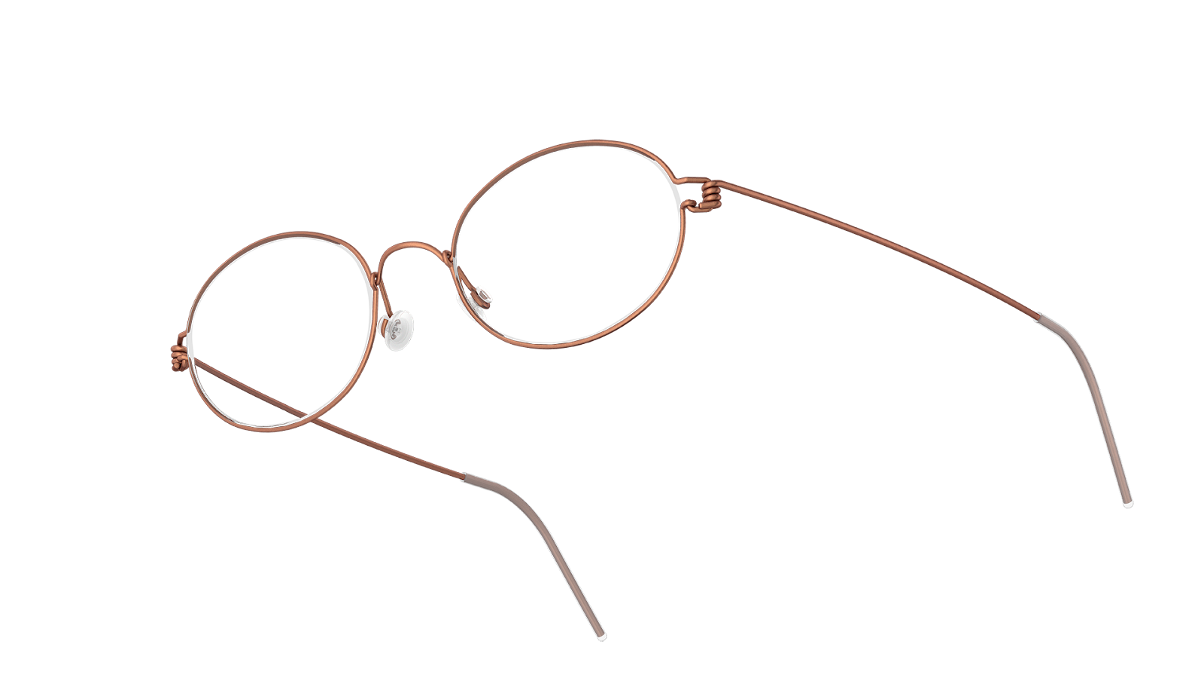
  • Ophus - It’s a pair of round frames with a vintage feel that somehow looks both retro and modern.
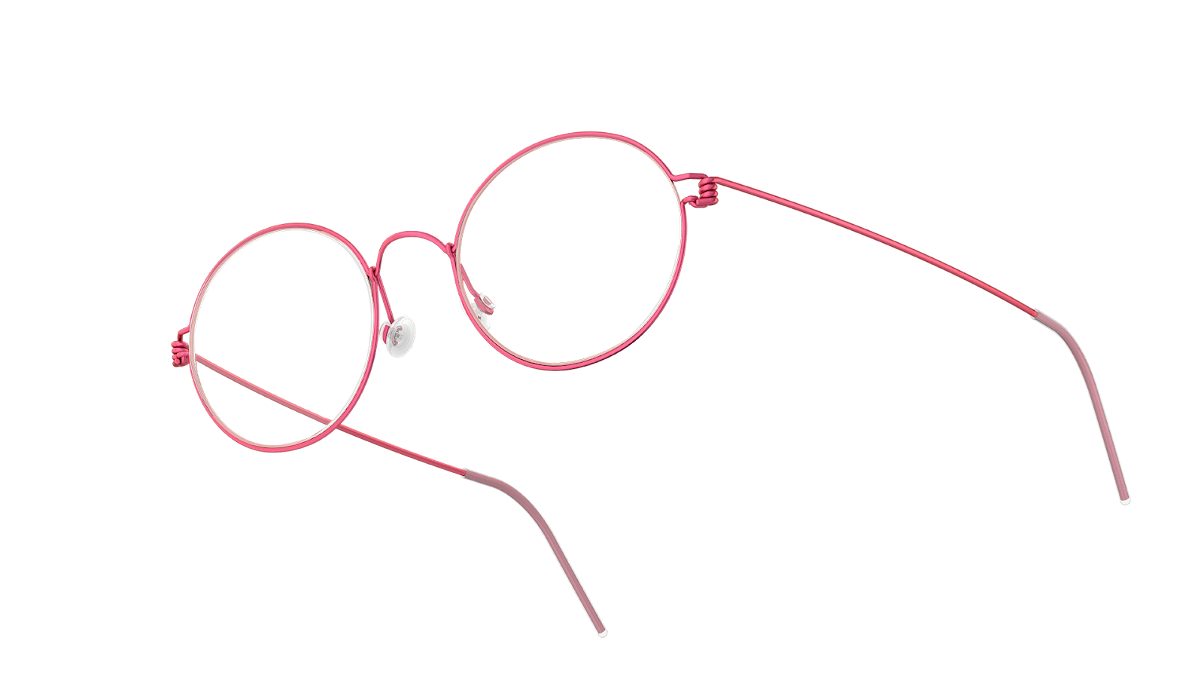
  • Jackie - It’s a rounder option that softens features and is perfect for kids who want something a bit more playful.
  • Skye - The trendy round frames that are having a moment—great for kids who want to look like their favorite YouTuber or TikTok star.
  • Camilla - This style features a cool double-bar bridge design that adds a bit of edge without feeling too grown-up.
  • Mathias - It’s another square option with slightly different proportions, which is great for kids with wider faces.


The Acetanium Teen Collection

Teens are different creatures than younger kids. They want glasses that make a statement, that look good in selfies, that their friends will compliment. The Acetanium collection delivers by mixing the finest natural acetate fronts with titanium temples.
Check out some of the top Acetanium models below:


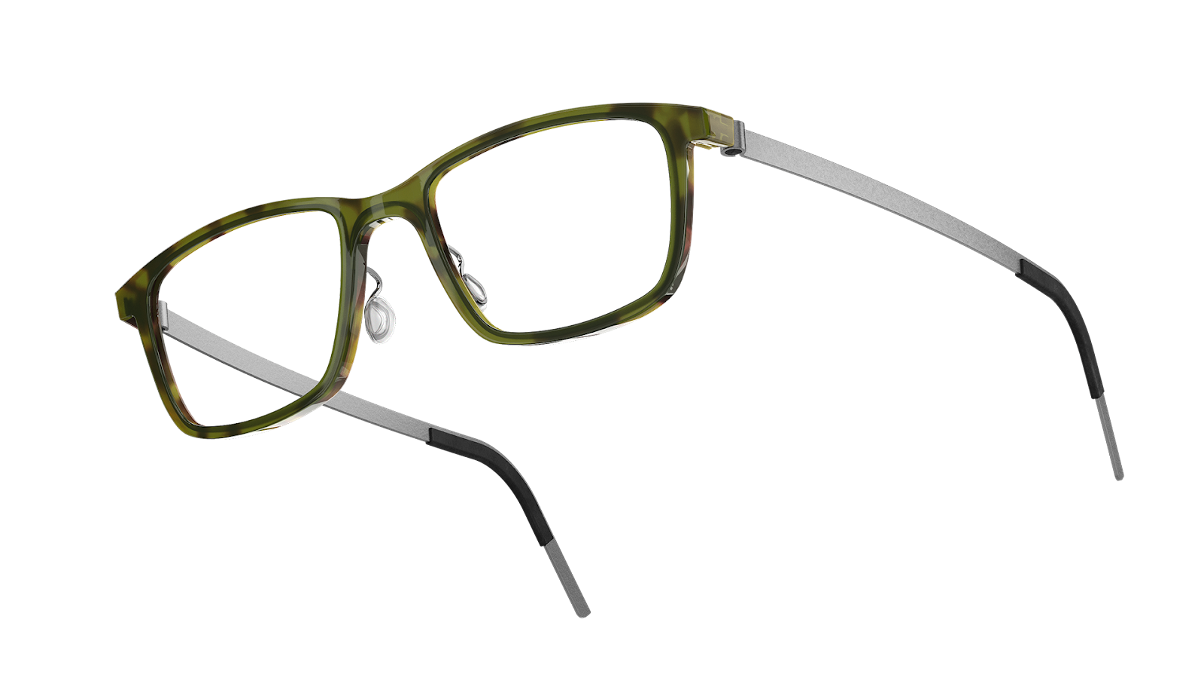
Model 1501 is the classic square shape that screams "I'm smart and stylish." This one comes in two killer colours:


  • AF76: Black acetate with titanium temples is the timeless choice that goes with everything.
  • AG69: Semi-transparent green that's unique without being too wild.
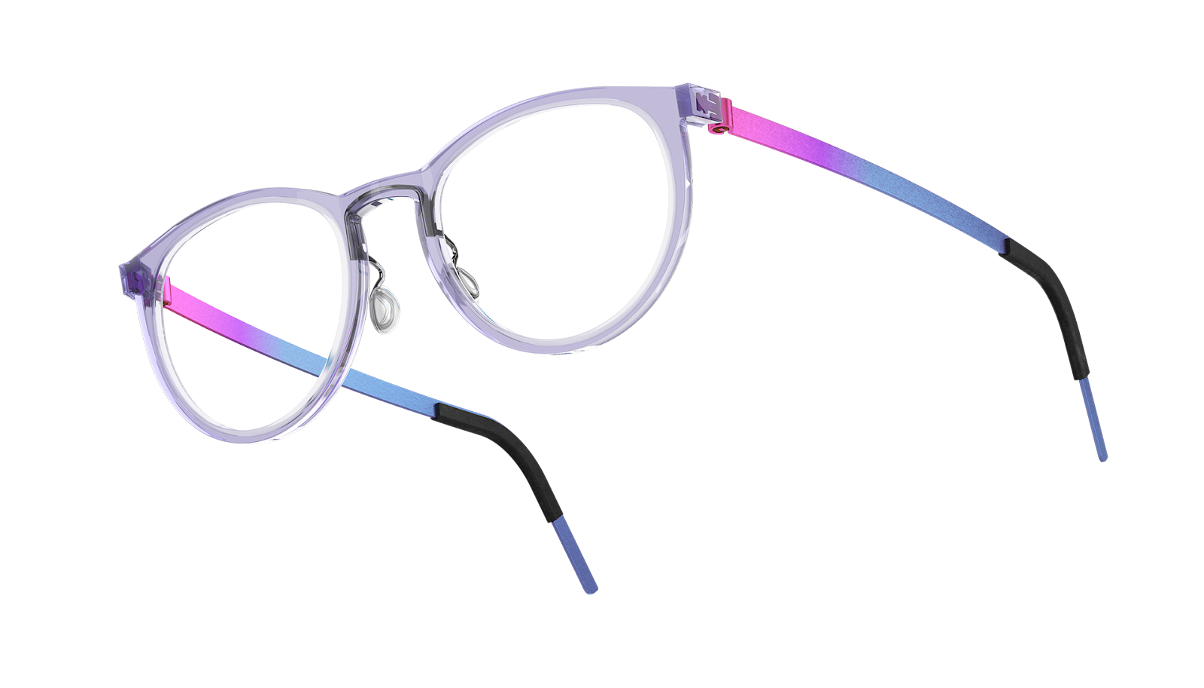
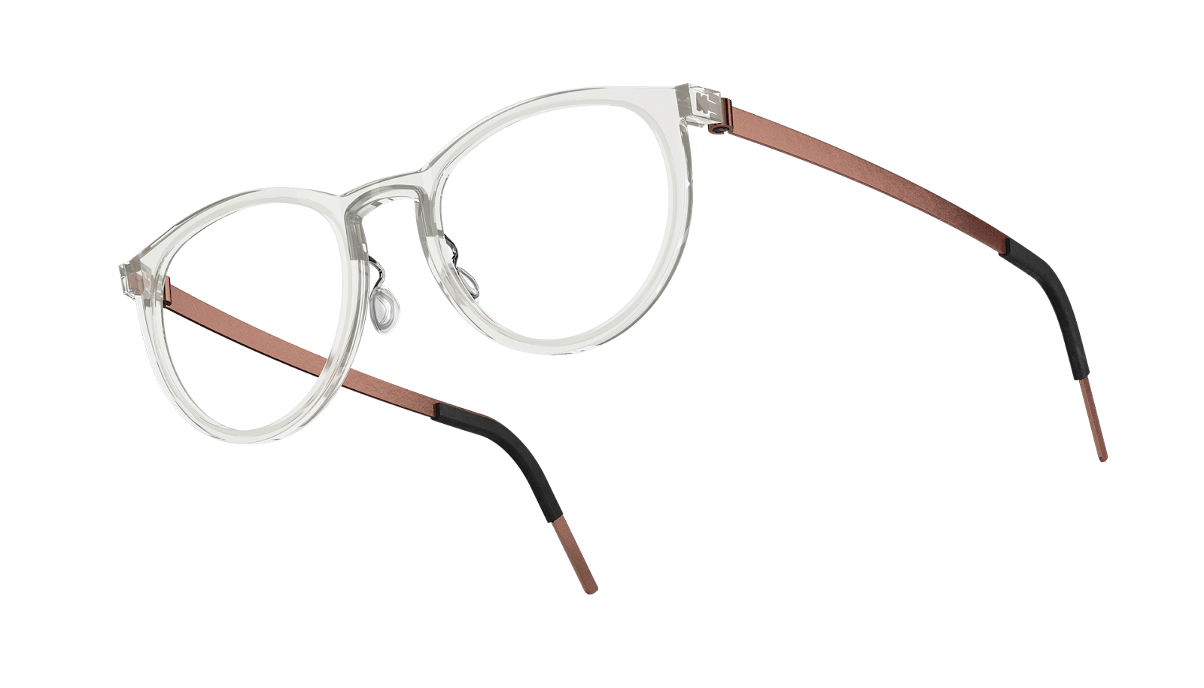
Model 1505 is the transparent trend done right. Clear acetate lets the titanium temples be the star.


  • AI09: Clear frames with purple and blue titanium temples. This colour combo is absolutely fire and perfect for teens who want something different.
  • AG05: Clear frames with brown titanium temples (listed as PU12). Subtle and sophisticated.
Prescription Options

Lindberg frames work with pretty much any prescription your kid needs. They handle +4.00 to -6.00 with up to 3.00 of astigmatism correction. The minimal frame design means more usable lens area, important for stronger prescriptions.


You can use any lens material:


  • Regular plastic (CR-39)
  • Impact-resistant polycarbonate
  • High-index for strong prescriptions


Blue Light Protection

With children spending increasing time on digital devices both in school and at home, blue light protection has become an essential consideration. Lindberg's 2025 frames support the latest blue-filtering lens technologies without compromising optical clarity or colour perception. 


These specialised lenses reduce digital eye strain and may help protect developing eyes from the potential long-term effects of blue light exposure.


Specialised Sports Lenses

Active children benefit from Lindberg's compatibility with specialised sports lenses that enhance visual performance during athletic activities. These lenses can include contrast-enhancing tints for outdoor sports, anti-reflective treatments for improved night vision, and polarisation for water and snow activities. 


The secure fit of Lindberg frames ensures these specialised lenses stay properly positioned even during vigorous movement, providing optimal visual performance when it matters most.


Customisation Options

Colour Selection Process

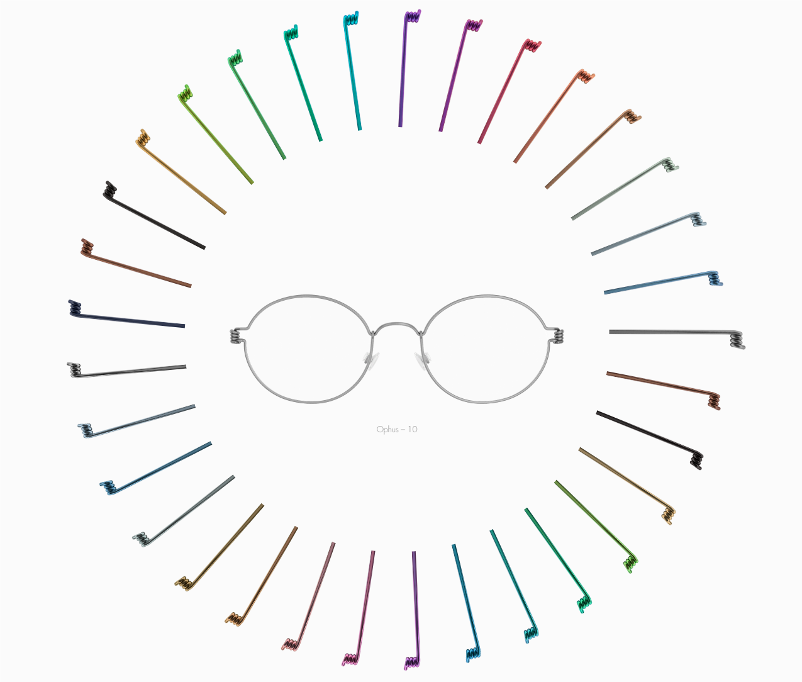
The 2025 Lindberg collection introduces an expanded colour palette with 33 colours options. The titanium colouring process uses a specialised anodisation technique that creates wear-resistant finishes without adding weight or compromising the hypoallergenic properties of the material.
Size Adjustments

Lindberg frames come in multiple size variations that accommodate everything from petite preschoolers to teenagers with adult-sized features. Beyond the standard sizing options, individual components can be fine-tuned to create a semi-custom fit that addresses the specific proportions of each child's face. 


This sizing flexibility ensures proper alignment of the optical center with the pupil, a critical factor for optimal vision correction that many standard frames fail to address adequately.


Temple Design Options

The 2025 collection offers four distinct temple designs that provide different functional benefits. Options include traditional straight temples, curved comfort temples for improved retention, sports temples with integrated ear grips, and adjustable-length temples that can be modified as children grow. This variety allows for functional customisation based on the child's activities, wear patterns, and comfort preferences.


What They Cost

Frame Prices

Most standard packages include impact-resistant polycarbonate, scratch coating, and UV protection. Premium options add blue light filtering, photochromic technology, and advanced anti-reflective treatments that enhance visual performance while protecting developing eyes.


The math: One pair of Lindberg frames often outlasts 3–4 pairs of regular kids' glasses. When you factor in no repair costs (no screws to tighten!) and fewer replacements, they can actually save money over time.


*Prices were estimated at the time of writing and are subject to change. Please check for the most current pricing before making any purchasing decisions.


Insurance Coverage Tips

While most vision insurance plans won't cover the entire cost of Lindberg frames, they usually provide allowances that offset a portion of the expense. We work directly with major vision insurance providers to maximise benefits and streamline the reimbursement process.


For families with HSA or FSA accounts, the entire cost of prescription Lindberg eyewear qualifies as an eligible medical expense, providing significant tax advantages that effectively discount the purchase by your tax rate.

Professional Fitting Matters

Getting the right fit is crucial. Eyecare Opticians' specialists know exactly how to fit Lindberg frames for kids. This isn't just measuring pupil distance, it's comprehensive fitting that considers:


  • Bridge width
  • Temple length
  • Face tilt
  • Ear placement
  • Facial asymmetry
  • Vision correction like myopia


Proper fitting means:


  • Glasses stay in place
  • No pressure points
  • Lenses aligned with pupils
  • Maximum comfort


Care and Maintenance Tips

Daily Cleaning Methods

The hypoallergenic titanium used in Lindberg frames requires gentle cleaning with mild soap and water rather than alcohol-based products that can potentially damage specialised coatings. A soft microfiber cloth should be used for drying and polishing to avoid scratching the premium lens treatments.


For quick cleaning throughout the day, pre-moistened lens wipes designed for coated lenses provide safe and convenient maintenance.


Proper Storage

When not being worn, Lindberg frames should be stored in their protective case with the temples folded and lenses facing upward to prevent pressure on the precision optics. The cases provided with Lindberg frames feature specialised interior contours that support the frames without stressing the titanium components.


For active children who may resist using cases, clip-on protective sleeves offer a convenient alternative that provides basic protection during brief storage.


Adjustment Schedule

Professional inspection and adjustment every 3–6 months ensure Lindberg frames continue providing optimal fit and performance throughout their lifespan. These routine check-ups allow opticians to address minor alignment issues before they affect vision or comfort. 


During growth spurts, more frequent adjustments may be necessary to accommodate rapid facial development while maintaining proper optical alignment.


Why Choose Eyecare Opticians for Your Child's Lindberg Frames

At Eyecare Opticians, we've been fitting children with glasses for over two decades. We know that finding the right frames is about more than just measurements, it's about understanding how kids live, play, and grow.


Our specialists are trained specifically in Lindberg's unique screwless technology and titanium adjustments. This expertise matters because proper fitting is what transforms premium frames from an expensive purchase into a smart investment. 


We provide free adjustments as your child grows, ensuring those frames last the full 3–4 years they're designed for.


Your Child's Complete Vision Solution

When you visit us, you're not just buying frames, you're accessing comprehensive pediatric eye care. Our advanced diagnostic equipment detects vision issues early, while our kid-friendly approach makes eye tests stress-free for both children and parents.


We take time to understand your child's specific needs: Are they sporty? Do they struggle with keeping glasses on? Have they broken multiple pairs before? These insights help us recommend the perfect Lindberg style and lens options for their lifestyle.


Our fitting process is thorough but fun. Kids get to be part of choosing their frames, which we've found dramatically improves how often they actually wear them. We explain everything in terms they understand, turning what could be a boring appointment into an exciting experience.


Making Premium Frames Affordable

We work directly with major insurance providers to maximise your benefits and clearly explain all costs upfront. Our team will show you exactly how Lindberg's durability makes them cost-effective over time. When one pair lasts as long as 3-4 regular frames, the math becomes clear.


For families using HSA or FSA accounts, we'll help you understand how to use these pre-tax dollars for your child's eyewear, effectively reducing your out-of-pocket costs.


Ready to see the 2025 Lindberg kids' collection in person? 


Schedule your appointment at Eyecare Opticians today - because your child's vision deserves the best.


Frequently Asked Questions (FAQ)

How long do Lindberg kids' frames typically last?

With proper care and occasional professional adjustments, Lindberg kids' frames last 3–4 years before requiring replacement. 


This extended lifespan significantly exceeds the 8–12 month average for standard children's frames, making them a sound long-term investment despite their higher initial cost. 


The primary reason for eventual replacement is usually aesthetic preference changes or significant facial growth rather than structural failure of the frames themselves.


Are Lindberg frames worth the investment compared to cheaper alternatives?

When you do the math, yes. One pair of Lindberg frames typically outlasts 3–4 pairs of cheaper glasses. Plus, comfortable glasses get worn more, which means better vision correction.


What age range are Lindberg kids' frames suitable for?

Lindberg offers pediatric frames suitable for children from approximately 4 years through teenage years, with specific models designed to accommodate different developmental stages and face sizes. 


The smallest frames in the collection fit preschoolers with narrow facial features, while the largest youth models accommodate teenagers with nearly adult-sized facial structures.


Can Lindberg frames be adjusted as my child grows?

Lindberg's titanium construction allows for significant adjustment to accommodate growth without compromising structural integrity or comfort. 


The modular design permits component replacement when necessary, enabling partial updates rather than complete frame replacement. 


Eyecare Opticians provides complimentary growth adjustments for all Lindberg frames purchased through our office, ensuring optimal fit and performance throughout the wearing period.
by Nish Fofaria • 16 November 2026
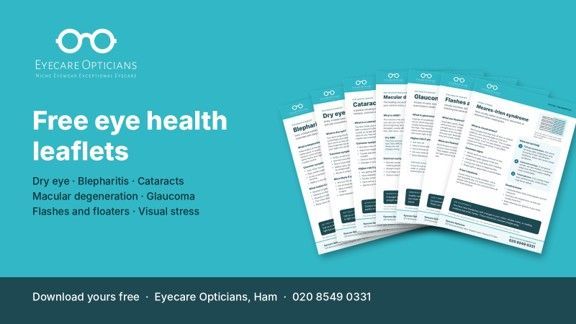
We've written a set of free patient leaflets on the eye conditions we see most often in practice, and you can download every one of them below. In the examination room there's never quite enough time to cover everything, and it's hard to remember it all once you're home. Each leaflet explains a condition in plain English: what it is, what to look out for, what you can do yourself and when to get help quickly. They're based on the latest guidance from the College of Optometrists and written by our own team here in Ham. Each leaflet is a two-page PDF. Read it on your phone, print it at home or share it with a family member who might find it useful. Nish Fofaria, Director and Optometrist, Eyecare Opticians Eye condition leaflets Blepharitis Sore, gritty, crusty eyelids are very common and can usually be kept under control with a simple daily routine. The leaflet takes you through warm compresses, lid massage and lid cleaning step by step, and explains when you might need more help. Download: Blepharitis leaflet (PDF) Dry eye Gritty, burning or watery eyes, and vision that blurs until you blink, are classic signs of dry eye. The leaflet covers everyday self-care, changes at home and at your screen, choosing eye drops, food and drink, and the treatments we can offer. Our corneal topographer analyses your tear film and the front of your eye in detail, so we can pinpoint the cause and choose the right treatment. Download: Dry eye leaflet (PDF) Cataracts A cataract makes vision gradually cloudy, faded and full of glare, and it is very treatable. The leaflet explains the symptoms, when surgery is worth considering, and what to expect before, during and after your operation. Download: Cataracts leaflet (PDF) Macular degeneration (AMD) AMD affects your central vision and is the leading cause of sight loss in the UK. The leaflet explains dry and wet AMD and how to lower your risk. It includes an Amsler grid so you can check your vision at home, and tells you when to call us the same day. Our new REVO OCT scanner takes a 3D image of your macula in seconds and can show early signs of AMD, often before your vision changes. Download: Macular degeneration leaflet (PDF) Glaucoma Glaucoma often has no early symptoms, which is why regular eye examinations matter so much. The leaflet covers who is at risk, how we check for it, using eye drops, driving and the DVLA, free NHS eye tests for family members, and the emergency signs of acute glaucoma. We've invested in a new REVO OCT scanner, which measures the nerve layer around your optic nerve, and a VR headset that checks your side vision while you sit comfortably. Both help us pick up glaucoma early. Download: Glaucoma leaflet (PDF) Flashes and floaters Floaters are usually harmless, but a sudden change can be a sign of a retinal tear. The leaflet explains what causes flashes and floaters and what happens when you see us, and lists the warning signs that mean you should call the same day. Our Optomap captures up to 80% of your retina in a single image, compared with about 15% for a standard retinal photo, so we can see the edges of the retina where tears usually start. Download: Flashes and floaters leaflet (PDF) Reading, screens and work Visual stress (Meares-Irlen syndrome) Do words seem to move, blur or shimmer when you read? Visual stress can affect children and adults, and it isn't the same as dyslexia. The leaflet explains the signs, how a full eye examination comes first, and how coloured overlays and tinted lenses help some people. It also has tips for parents, teachers and the workplace. Download: Visual stress leaflet (PDF) Screen users at work (DSE eye tests) If you use a computer as a regular part of your job, your employer must pay for an eye test when you ask for one. They must also pay for basic glasses if you need them specifically for screen work. Book a screen-use (DSE) eye test with us and we'll give you a certificate to pass to your employer. Printed copies and large print Prefer paper? Pop into the practice at 307 Richmond Road, Ham, and we'll print any of these leaflets for you, including large-print versions. A leaflet is no substitute for an eye examination. If anything in them sounds familiar, or it's been more than two years since your last test, call us on 020 8549 0331 to book.  If you have sudden changes in your vision, a painful red eye, or a sudden shower of floaters or flashes, call us the same day. If we're closed, go to eye casualty or A&E.
by Nish Fofaria • 10 November 2026
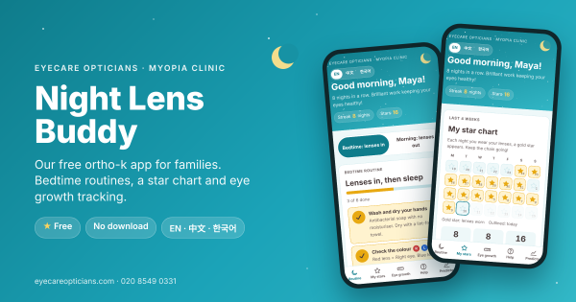
Night Lens Buddy is our new free app for children wearing orthokeratology (ortho-k) lenses and their parents. It turns the nightly lens routine into a game, tracks how the eye is growing, and keeps our safety advice in your pocket. Ortho-k works best when the lenses are worn every night and handled the same careful way each time. From our ortho-k clinic, we know the hardest part isn't the first week. It's month four, on a school night, when everyone is tired. Night Lens Buddy is there for those nights. Get Night Lens Buddy free . Open it on your phone and add it to your home screen. There's nothing to install. A bedtime and morning routine children can follow The Routine tab walks your child through every step, one tick at a time. Each step is written for children and checked by us. Bedtime: lenses in. Wash hands, check the colours (red for right, blue for left), put each lens in and check it sits in the middle of the coloured part of the eye. A simple picture shows a centred lens next to an off-centre one. Morning: lenses out. Remove each lens, rub it for 30 seconds with Avizor GP Multi (there's a built-in 30-second timer), and store it in the right side of the case, half full. How are your eyes? Each morning your child says whether their vision is clear and their eyes feel fine. If they report pain, redness or blur, the app tells them to leave the lenses out and shows our phone number. Finishing the bedtime routine earns a gold star. The My stars tab shows a four-week star chart, the current streak and the best streak, so children can see their progress and parents can spot missed nights. Track how fast the eye is growing The Eye growth tab lets you record the axial length readings from each aftercare visit and see how they compare with other children. Axial length is the length of the eye from front to back. When it grows, myopia goes up, so it is the clearest measure of whether treatment is working. Enter your child's date of birth and the right and left eye readings from your aftercare report. The app then shows: A growth chart plotting each eye against normal ranges for children of the same age and sex, based on Tideman et al. (2018), a study of over 12,000 European children and adults. A percentile for each eye. The 50th is average. Above the 90th means the eye is much longer than most children of that age. A yearly growth rate once readings are at least 3 months apart. Under 0.15 mm a year means treatment is working well; over 0.30 mm a year means growth is similar to children with no treatment. This is a guide, not a diagnosis. We go through your child's numbers with you at every aftercare appointment. See what treatment could mean by adulthood The Predictor tab shows how your child's prescription might change as they grow, with and without myopia control. Enter their age and latest prescription, choose a treatment, and pick an age to project to. You can compare three treatments we offer: orthokeratology, multifocal soft contact lenses and myopia control spectacle lenses. The app shows the expected prescription with ordinary glasses, the expected prescription with treatment, and how much myopia could be saved, as a chart and a year-by-year table. Children who start younger, or with a higher prescription, tend to progress faster, and the predictor reflects that. It is for education only, and every child is different. It is a starting point for a conversation with us, not a promise. Safety advice, healthy habits, and three languages The Help tab puts our most important advice in one place. Take the lenses out straight away and contact us if an eye is painful, red or blurry, and go to A&E if it is severe or we are closed. It also covers lens colours, a do and don't list, and answers to common questions, from a missed night to a lens that won't come out. Treatment does the heavy lifting, but everyday habits help. The app includes: A sunshine tracker to log outdoor time, aiming for 120 minutes a day. Daily habit ticks for 20-20-20 breaks, keeping books at arm's length, good lighting and less screen time. Reminders for parents for when to replace the lens case, solution and lenses, and when the next aftercare visit is due. Night Lens Buddy works in English, Chinese (中文) and Korean (한국어) . Tap the language button at the top of the app to switch, so the whole family can follow along. How to get it Night Lens Buddy is free and runs in your phone's web browser. There is nothing to download from an app store and no account to create. Open Night Lens Buddy on your phone, or scan the QR code at our reception desk. Add it to your home screen so it opens like an app. On iPhone, tap Share in Safari, then Add to Home Screen. On Android, open the Chrome menu, then tap Add to Home screen. Add your child's first name and lens dates in Settings, then start tonight's routine. Your privacy: everything you enter stays on your own phone. Nothing is sent to us. If you clear your browser data or change phones, the app's history will be lost, but your child's clinical records at the practice are not affected. New to ortho-k, or wondering if myopia control is right for your child? Book a myopia assessment or call us on 020 8549 0331. Get Night Lens Buddy now
by Nish Fofaria • 2 November 2026
Does your child rub their eyes after ten minutes with a book? Do they lose their place, complain that the words "wobble", or get a headache every time homework comes out? Sometimes the cause is a straightforward eye problem. Sometimes it is something called Meares-Irlen syndrome, now usually known as visual stress. This guide explains what it is, how to tell it apart from other eye problems, and what the research honestly says about coloured overlays and tinted lenses. What is Meares-Irlen syndrome? Meares-Irlen syndrome describes discomfort and distortion when looking at text or striped patterns, in people whose eyes are otherwise healthy. It is thought to arise in how the brain processes what we see, not in the eye itself. The exact mechanism is still not fully understood. The name comes from two people who described it independently. Olive Meares, a New Zealand teacher, wrote about print distortions in 1980. Helen Irlen, a Californian psychologist, called it "scotopic sensitivity" a few years later. In the UK, Professor Arnold Wilkins and colleagues then began studying it scientifically. Today UK professional bodies prefer the term visual stress . In 2025 the SpLD Assessment Standards Committee advised that older names such as Meares-Irlen syndrome should no longer be used. "Irlen syndrome" now mostly refers to the trademarked approach of the US-based Irlen Institute. Signs to look out for People with visual stress often describe text that seems to move, shimmer or blur. Common signs include: Words or letters that appear to wobble, swirl or run together Glare from white paper or screens Headaches or sore, tired eyes when reading Losing place on the line, skipping words or re-reading lines Using a finger to track text Reading slowly, or avoiding reading altogether Preferring dim lighting, or discomfort under fluorescent lights None of these signs is unique to visual stress. Long-sightedness, focusing problems and eye-coordination difficulties can cause almost identical symptoms. That is why a proper eye examination always comes first. Who is affected? Estimates vary widely, with some researchers suggesting 5 to 20% of people experience it to some degree. It affects both children and adults. Visual stress appears to be more common in people with dyslexia, migraine and some other neurological conditions. But it is important to be clear: visual stress is not dyslexia . Many people with dyslexia do not have visual stress, and many people with visual stress read perfectly well. Coloured filters do not treat dyslexia or any other specific learning difficulty. Step one: rule out other eye problems The College of Optometrists advises that visual stress should only be considered once other eye and vision problems have been excluded. A thorough eye examination should check: Prescription – even mild long-sightedness or astigmatism can make reading tiring Focusing (accommodation) – whether the eyes can focus up close comfortably and for long enough Eye coordination (binocular vision) – whether the eyes work together, including convergence and any hidden squint Eye health – the front and back of the eye In our experience, a surprising number of children referred for "coloured lenses" simply need a pair of reading glasses or some eye exercises. Fixing these first is quick, well proven and often solves the problem entirely. How visual stress is assessed If the eyes check out but symptoms persist, an assessment for visual stress usually runs in stages: Symptom questions – what happens when reading, and when it started. Coloured overlay trial – transparent coloured sheets are placed over text to see whether any colour makes it clearer or more comfortable. Rate of Reading Test – reading a page of random common words with and without the chosen overlay. A meaningful speed-up suggests a real benefit. Trial period – using the overlay at home and school for several weeks. Many people stop using it, which itself tells us something. Tinted spectacles (if needed) – for those who keep benefiting, the chosen tint can be incorporated into spectacle lenses, so there is no overlay to carry around. No single test proves visual stress exists. The diagnosis rests on symptoms, a measurable improvement and continued, voluntary use over time. What does the evidence say? We believe you deserve an honest answer here. The science is genuinely mixed. A 2016 systematic review from the University of York looked at 51 published studies. Most had a high or uncertain risk of bias, and the better-designed studies showed smaller benefits, often similar to placebo. A 2018 overview of systematic reviews from City, University of London found that most reviews judged the evidence insufficient to recommend overlays or lenses for reading difficulty. A 2019 review in a Brazilian neurology journal concluded that both the condition and its treatments need much stronger evidence. On the other hand, some carefully controlled trials, including double-masked studies of precision tints, have reported real symptom relief in selected people. The College of Optometrists' position reflects this. Some patients do report that tints ease their symptoms. But practitioners should be cautious, explain the limits of the evidence, and never claim that colour treats dyslexia. Our view: coloured filters are not a cure-all. For a small group of people with genuine visual stress, they can make reading noticeably more comfortable. A careful, step-by-step assessment is the best way to find out who. How we can help At Eyecare Opticians in Ham, every assessment starts with a full eye examination, including focusing and eye-coordination checks. If we find a prescription or binocular vision problem, we treat that first. If symptoms remain, we can discuss whether a coloured overlay trial is worthwhile, and, where it helps, incorporate the tint into your spectacles. If your child, or you, struggles with reading discomfort, book an eye examination on 020 8549 0331 or visit us at 307 Richmond Road, Kingston upon Thames, KT2 5QU. This article is for general information and is not a substitute for an individual eye examination. Sources College of Optometrists – Tinted lenses and coloured overlays guidance Acuity – Are coloured overlays really effective for treating visual stress? (Spring 2026) Griffiths et al. (2016) – The effect of coloured overlays and lenses on reading: a systematic review Suttle, Lawrenson & Conway (2018) – Efficacy of coloured overlays and lenses: an overview of systematic reviews Miyasaka et al. (2019) – Irlen syndrome: systematic review and level of evidence analysis Structural Learning – Visual stress and SASC 2025 terminology Brunel University – MISViS prevalence (5–20%)