Ocular Nutrition: How the Right Foods Can Protect Your Vision

Nish Fofaria • 18 December 2024

Good vision is not just about regular eye tests and corrective lenses—it starts with proper nutrition. The saying 'you are what you eat' applies to your eye health too. Incorporating the right foods into your diet can help reduce the risk of developing certain eye diseases and keep your vision sharp for years to come.


The Role of Nutrition in Eye Health

The eyes require a range of nutrients to maintain optimal function. Antioxidants, vitamins, minerals, and fatty acids all play a role in preventing oxidative stress and inflammation, which are linked to many eye conditions.


Key Nutrients for Eye Health


Vitamin A and Beta-Carotene

Why it helps: Essential for maintaining healthy corneas and preventing night blindness. Found in foods such as carrots, sweet potatoes, spinach, and apricots.

Conditions prevented: Night blindness, dry eye syndrome, and corneal issues


Lutein and Zeaxanthin

Why it helps: These carotenoids protect against harmful blue light and oxidative damage. Found in kale, spinach, broccoli, and egg yolks.

Conditions prevented: Age-related macular degeneration (AMD) and cataracts


Omega-3 Fatty Acids

Why it helps: Supports the health of the retina and reduces inflammation, especially beneficial for tear production. Found in salmon, mackerel, walnuts, and flaxseeds.

Conditions prevented: Dry eye syndrome and diabetic retinopathy


Vitamin C

Why it helps: A powerful antioxidant that protects the eyes from free radical damage and strengthens blood vessels. Found in oranges, strawberries, bell peppers, and kiwi.

Conditions prevented: Cataracts and AMD


Zinc

Why it helps: Aids in delivering Vitamin A to the retina and protects against oxidative damage. Found in oysters, beef, pumpkin seeds, and legumes.

Conditions prevented: Night blindness and macular degeneration


Vitamin E

Why it helps: Protects cells in the eyes from oxidative stress. Found in almonds, sunflower seeds, and avocados.

Conditions prevented: Cataracts and AMD


How Nutrition Fights Specific Eye Diseases

Age-Related Macular Degeneration (AMD)


A leading cause of vision loss in older adults. Regular consumption of dark leafy greens like spinach and kale can significantly reduce the risk of AMD.


Cataracts

Caused by the clouding of the eye’s natural lens. Antioxidant-rich foods like citrus fruits and nuts are excellent for prevention.


Dry Eye Syndrome

Often caused by inflammation or poor diet. Omega-3-rich foods like salmon and walnuts can reduce inflammation and improve tear production.


Diabetic Retinopathy

A complication of diabetes that damages the blood vessels in the retina. A balanced diet that includes leafy greens and omega-3s helps support retinal health.


Night Blindness

Caused by Vitamin A deficiency, leading to difficulty seeing in low light. Include foods like carrots and sweet potatoes to improve night vision.


Creating a Vision-Friendly Meal Plan

Here’s how you can incorporate these nutrients into your daily diet:

• Breakfast: A smoothie with spinach, orange juice, and flaxseeds.

• Lunch: Grilled salmon with a side of kale and quinoa salad.

• Snack: A handful of almonds or a boiled egg.

• Dinner: Lentil stew with sweet potatoes and a mixed greens salad.


Final Thoughts

The connection between diet and eye health is clear: what you eat can significantly impact your vision and reduce the risk of eye diseases. By making small changes to your daily diet, you can preserve your vision and enjoy a lifetime of healthy eyesight. If you’d like tailored advice on ocular nutrition, visit our clinic for personalised recommendations to support your vision journey. Together, we can protect your eyes for years to come!
by Nish Fofaria 26 November 2025
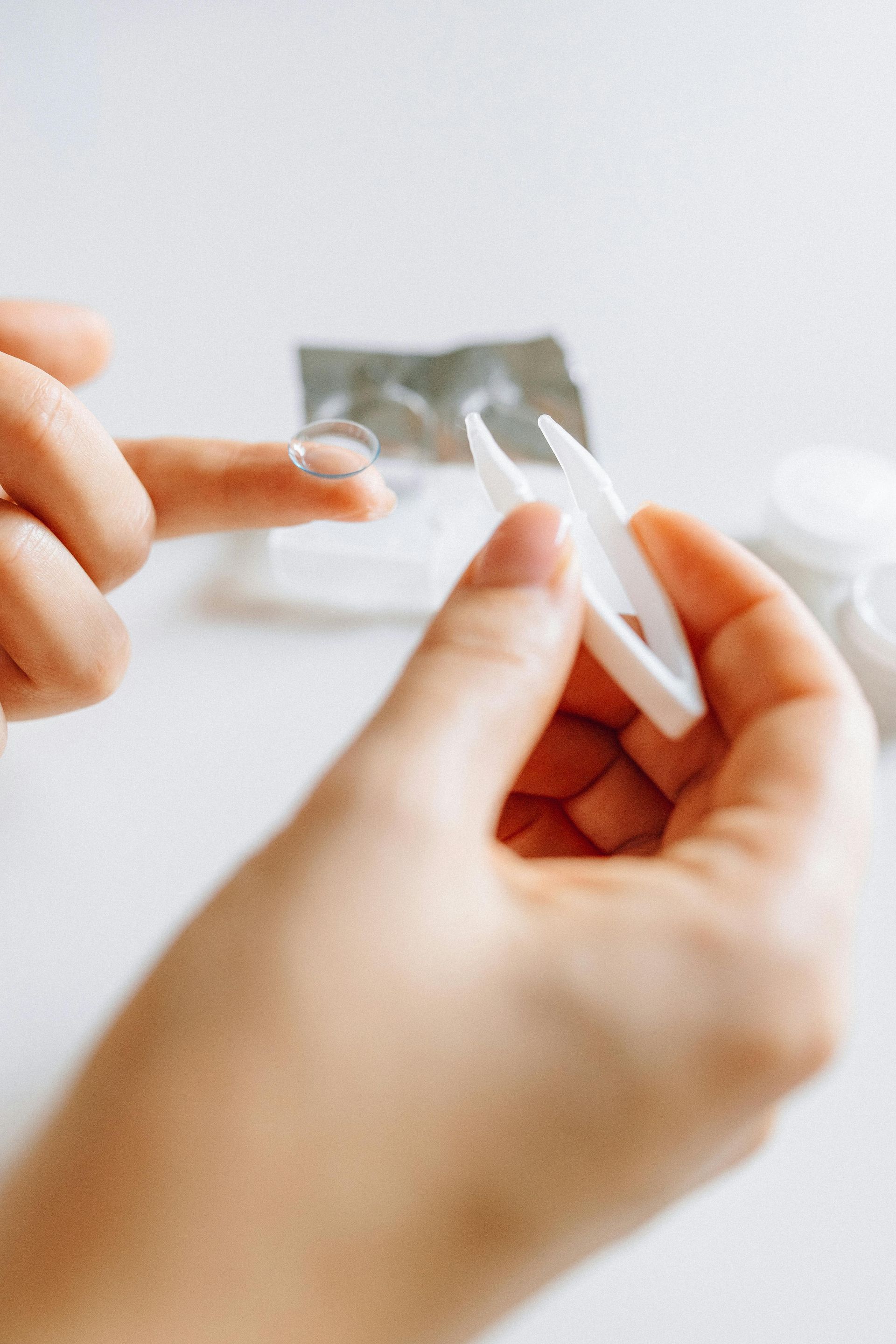
Contact Lens Technology Has Changed — Here’s What You Need to Know ... And Why Buying Lenses Online Could Be Riskier Than You Think Contact lenses have come a long way. Over the past decade, we’ve seen major advancements in oxygen permeability, comfort-based materials, moisture-retaining coatings, and even lenses designed to correct specific eye conditions such as dry eye or keratoconus. But at the same time, online contact lens sales have exploded — and not always for the right reasons. Convenience and price comparison make online ordering appealing, yet many patients don’t realise the risks that come with self-selecting lenses without proper clinical oversight. In this article, we’ll explore: • How modern contact lens technology has evolved • The benefits of newer lenses vs older generations • The hidden problems with buying contact lenses online • Why professional fitting matters for long-term eye health How Contact Lens Technology Has Evolved 1. Oxygen Permeability (Dk/t): Older hydrogel lenses restricted oxygen flow to the cornea, often leading to red, irritated eyes and higher infection risk. Modern silicone hydrogel lenses allow up to 5–6x more oxygen to reach the eye, keeping the cornea healthier and whiter throughout the day. 2. Advanced Wetting Agents: Today’s lenses are designed to lock in moisture. Technologies such as HydraGlyde®, TearStable™, and SmartSurface™ mimic natural tears to reduce dryness — especially helpful for digital-screen users and patients prone to dry eye. 3. Daily Disposable Innovation: Daily lenses are now thinner, smoother, and more breathable, minimising protein deposits and infection risk. This is a game-changer for people with allergies or sensitive eyes. 4. Specialised Optical Designs: New lenses can now help with presbyopia, astigmatism, myopia management in children, and dry eye through ultra-moisture and scleral technology. The Problem With Buying Contact Lenses Online ❗ Wrong Prescription — Contact lenses aren't like glasses. Two lenses with the same power can vary hugely in curvature, diameter, and oxygen transmission. ❗ No health assessment — Online retailers do not check for dry eye, corneal swelling or infection risk. ❗ Overwear habits go unnoticed — Sleeping or overwearing lenses increases risk of infection and scarring. ❗ Cheaper doesn’t always mean cheaper — Complications can lead to long-term damage and costly treatment. Why Professional Lens Fitting Matters At Eyecare Opticians Kingston, a contact lens assessment includes: • Corneal health examination • Tear film & dry eye evaluation • Precision fitting based on eye shape + lifestyle • Aftercare & monitoring • Access to the latest lens technology • Long-term eye protection & complication prevention Book a Consultation Eyecare Opticians – Kingston upon Thames 📞 020 8549 0331 🌐 eyecareopticians.com
by Nish Fofaria 17 November 2025
Glaucoma is one of the leading causes of irreversible vision loss in the UK — yet most people don’t realise they have it until significant damage has already occurred. That’s because glaucoma often develops silently, without pain or obvious symptoms in the early stages. At Eyecare Opticians, Kingston upon Thames, we use advanced diagnostic technology, including OCT (Optical Coherence Tomography), to detect glaucoma years earlier than traditional methods alone. What Is Glaucoma? Glaucoma is a group of eye diseases that damage the optic nerve — the nerve that sends visual information from your eye to your brain. This damage is often caused by increased pressure inside the eye, but glaucoma can occur even with normal pressures. Why Glaucoma Is Known as the “Silent Thief of Sight” In most cases, glaucoma causes: - No pain - No redness - No early warning signs Common Symptoms of Glaucoma - Gradual loss of side (peripheral) vision - Blurred vision - Difficulty seeing in low light - Halos around lights - Headaches or eye pain Glaucoma Diagnosis at Eyecare Opticians Your glaucoma assessment may include: - OCT Scan - Optomap Ultra-Widefield Scan - Eye Pressure Measurement (IOP) - Visual Field Testing - Optic Nerve Examination Who Is at Risk? - Over age 60 - Family history of glaucoma - High eye pressure - Diabetes - Short- or long-sightedness - Steroid use Treatment Options Treatments include prescription drops, laser procedures, and minimally invasive glaucoma surgery (MIGS). Book Your Glaucoma Screening Eyecare Opticians 307 Richmond Road, Ham, Kingston upon Thames, KT2 5QU 020 8549 0331 www.eyecareopticians.com
by Nish Fofaria 17 November 2025
Cataracts are one of the most common causes of reduced vision worldwide, particularly as we get older. Although they can develop gradually, the good news is that modern diagnostics and treatment make cataracts highly manageable—and often completely curable. At Eyecare Opticians in Kingston upon Thames, we regularly help patients detect cataracts early using advanced imaging such as OCT and Optomap. What Is a Cataract? A cataract is the clouding of the eye’s natural lens, located behind the iris (the coloured part of the eye). The lens should be clear, allowing light to pass through and focus sharply on the retina. When a cataract develops, vision becomes blurred, hazy, or dim—much like looking through frosted glass. Common Symptoms of Cataracts - Blurred or cloudy vision - Difficulty seeing at night - Glare or halos around lights - Colours appearing faded or dull - Sensitivity to bright lights - Frequent changes in your glasses prescription Causes of Cataracts 1. Ageing – the most common cause. 2. UV Exposure – sunlight accelerates cataract formation. 3. Medical Conditions – diabetes, long-term steroids. 4. Eye Injuries or Surgery. 5. Genetics. Diagnosis at Eyecare Opticians We use: - OCT 3D eye scans - Optomap ultra-widefield imaging - Digital vision testing Treatment Options Early cataracts may simply be monitored or managed with updated glasses. Advanced cataracts are treated with surgery—one of the safest and most effective procedures in modern medicine. Prevention Tips - Wear UV-protective sunglasses - Eat an antioxidant-rich diet - Stop smoking - Manage conditions such as diabetes - Have regular eye exams, especially over 50 Book Your Cataract Assessment Eyecare Opticians, 307 Richmond Road, Ham, Kingston upon Thames, KT2 5QU 020 8549 0331 www.eyecareopticians.com